
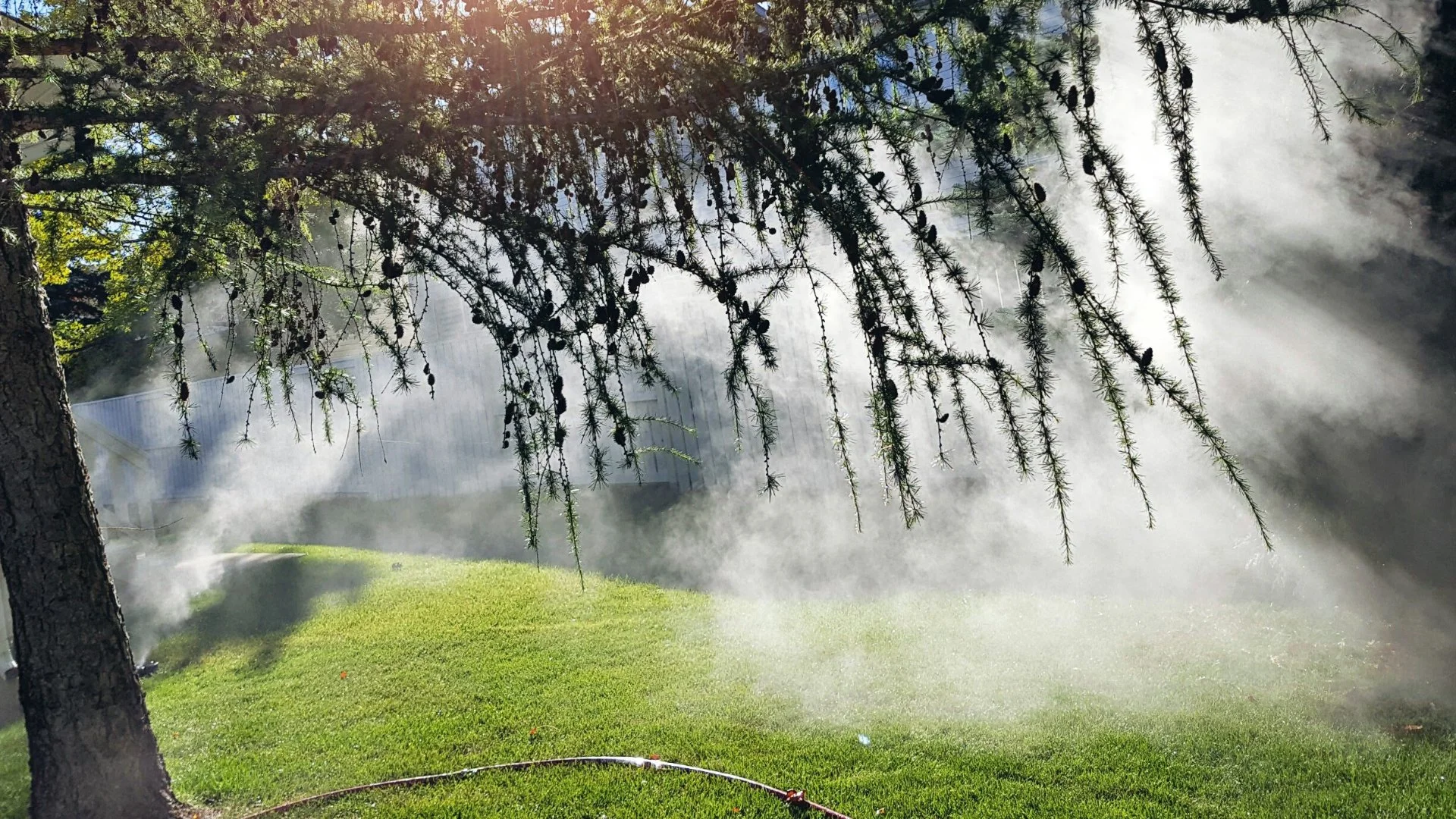
Winterizing your irrigation system is essential to protect it from damage caused by harsh winter conditions in Kansas or Missouri. The process involves shutting off the water supply and clearing the lines of residual water, either by draining or using an air compressor. This prevents water from freezing, expanding, and potentially cracking the pipes. Without winterization, you risk costly damage to both pipes and sprinkler heads, as trapped water can freeze and cause breakage. Ideally, you should winterize before the first frost, typically in late fall or early winter, to avoid last-minute stress and ensure your system is prepped for the cold temperatures.
Winterizing Your Irrigation System Prepares It for Winter
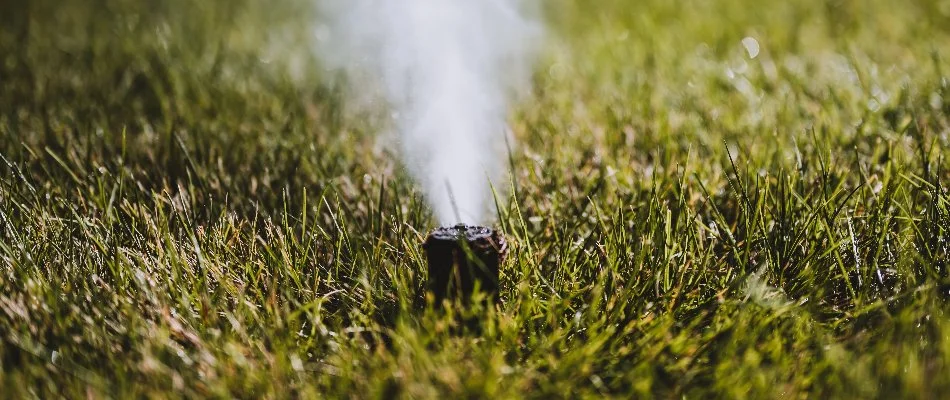
Winterizing your irrigation system is a vital step in safeguarding it from the harsh winter conditions. The process primarily involves shutting off the water supply and ensuring that the lines are free from any residual water. This can be done by either draining the system or blowing out the lines using an air compressor.
The core objective here is to prevent water from freezing within the pipes. When temperatures plummet, any leftover water can freeze, expand, and potentially cause significant damage. By properly clearing the system, you ensure that no water remains that could freeze and cause harm.
The Risks of Not Winterizing Your Irrigation System
Failing to winterize your irrigation system can lead to multiple issues. One primary risk is the freezing and subsequent expansion of water in the pipes. This expansion can result in cracks and breaks, leading to costly repairs or replacements when spring arrives and you need to use the system again.
Moreover, sprinkler heads are also at risk. Water can become trapped in them, and when it freezes, it can damage these critical components. This can affect their efficiency or even render them unusable, compromising your entire irrigation setup.
Aside from these direct damages, ignoring winterization can lead to indirect inconveniences, such as water wastage due to undetected leaks and the need for urgent repairs during the busy spring season. Addressing these issues can become not only costly but also time-consuming.
When should you winterize your irrigation system?
Timing is everything when it comes to winterizing your irrigation system. Ideally, this task should be completed before the first frost hits. This usually means late fall or early winter. To ensure you're on track, keep an eye on the weather forecasts and be proactive. Waiting until the temperatures consistently drop can be risky. By planning ahead, you can avoid the stress of last-minute winterization efforts, ensuring everything is secure before the cold sets in.
Give us a call today to sign up for our irrigation winterization service!
Proper winterization enhances the durability of your system, preventing damage that can degrade its performance or shorten its lifespan. Here at Lawn and Landscape Solutions, we will help make sure your irrigation system is protected from frost damage and ready to provide your yard with much-needed water in the spring with our irrigation winterization service. This service involves blowing out water from the system using compressed air, checking the backflow device, and shutting off the system.
We've been providing our services since 2001, so you can rely on us to have a reliable track record in keeping irrigation systems in top shape. This service is offered to residential properties in Overland Park, Leawood, Mission Hills, KS, and nearby areas, including those in Missouri. Don't wait until it's too late to protect your irrigation system from the winter weather. Call us today at (913) 238-9318 to schedule your winterization service.

Comments (0)
Thanks for your comment!
Thanks for your feedback! Your comments have been successfully submitted! Please note, all comments require admin approval prior to display.
Error submitting comment!
There is a problem with your comment, please see below and try again.